About Metal gasket
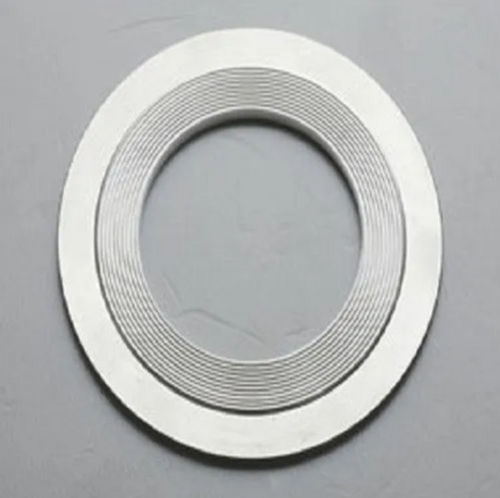
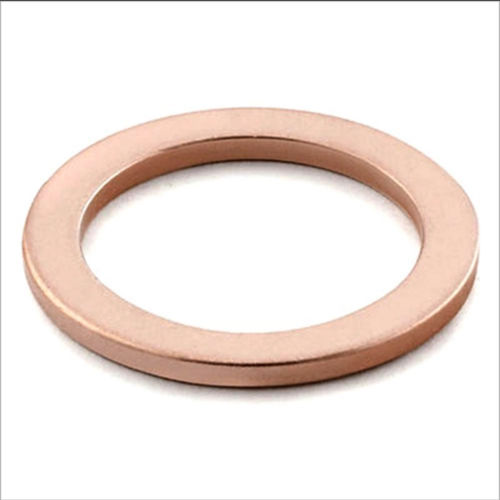
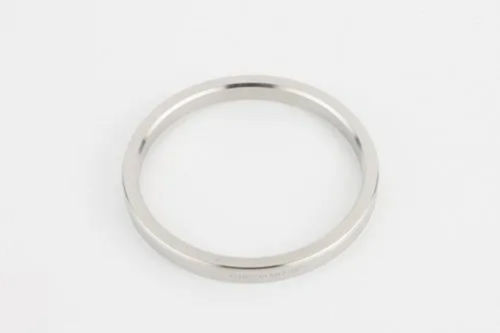
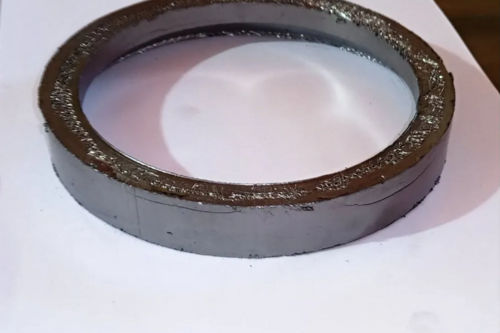
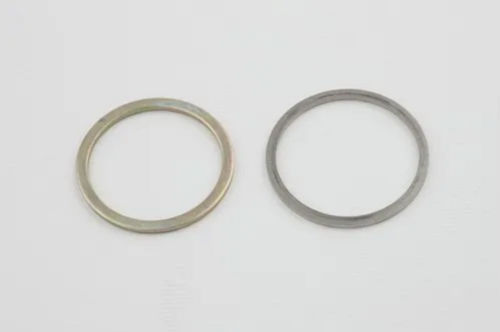
We offer quality Centrifugal Casting Round for various purposes. Centrifuges are used in all kinds of industries, especially in mining applications and foundry castings, where a centrifugal force is required to melt the plastic or alloy. The centrifugal flow of material can then be collected on the driven shaft for further processing or for transportation.Superior Surface Finish and Material VersatilityWith a surface roughness of Ra 1.6 m as per application, this gasket offers optimal sealing efficiency. The choice of stainless steel, carbon steel, copper, and alloys allows compatibility across diverse mediums-steam, gases, oils, and chemicals-while maintaining a metallic silver-gray appearance and a typical density of 7.8 g/cm3.
Corrosion and Weather ResistanceDesigned for demanding environments, the gasket provides excellent corrosion resistance, particularly when fabricated from stainless steel or special alloys. It withstands harsh weather conditions and outdoor exposure, preserving longevity and performance even in aggressive industrial scenarios.
Customized Installation and PackagingInstallation requires mechanical compression between flanges, ensuring a dependable seal. For enhanced safety and sealing, optional inner or outer rings can be incorporated. Gaskets are delivered in sealed polythene bags or custom packaging, guaranteeing product cleanliness and integrity during transit.
FAQ's of Metal gasket:
Q: How is the metal gasket installed to achieve a reliable seal?
A: The metal gasket is installed by mechanically compressing it between flanges, which creates a secure and pressure-resistant seal. Depending on the application, optional inner and outer rings can be added to further improve sealing and blowout resistance.
Q: What environments and applications are suitable for this gasket?
A: This gasket excels in outdoor as well as harsh industrial settings, including flanges, pipelines, heat exchangers, engines, and pressure vessels. Its corrosion and weather resistance enable reliable operation in environments ranging from chemical plants to steam systems.
Q: When should I choose optional inner or outer rings with the gasket?
A: Inner rings are recommended when enhanced sealing and protection against media intrusion are necessary, while outer rings provide additional resistance against blowouts. Selection depends on the operating pressure, medium, and criticality of the application.
Q: Where can customized shapes and sizes of this gasket be used?
A: Custom shapes and sizes can be ordered for use in installations with non-standard flange patterns or specialized equipment. Common standards and diameters up to 1500 mm are supported, ensuring compatibility with most industrial systems.
Q: What is the benefit of the gasket's surface finish and hardness specification?
A: A surface finish of Ra 1.6 m reduces leakage paths, improving sealing effectiveness, while the standard hardness range of 40-60 HRC offers durability and resistance to deformation under high pressures.
Q: How does the gasket handle temperature and pressure variations in operation?
A: This gasket reliably operates within a temperature range of -200C to +550C and withstands pressures up to 25 MPa (250 bar), making it suitable for both high and low temperature or pressure systems.





 Send Inquiry


 Send Inquiry